Est. 2013
Square Baler
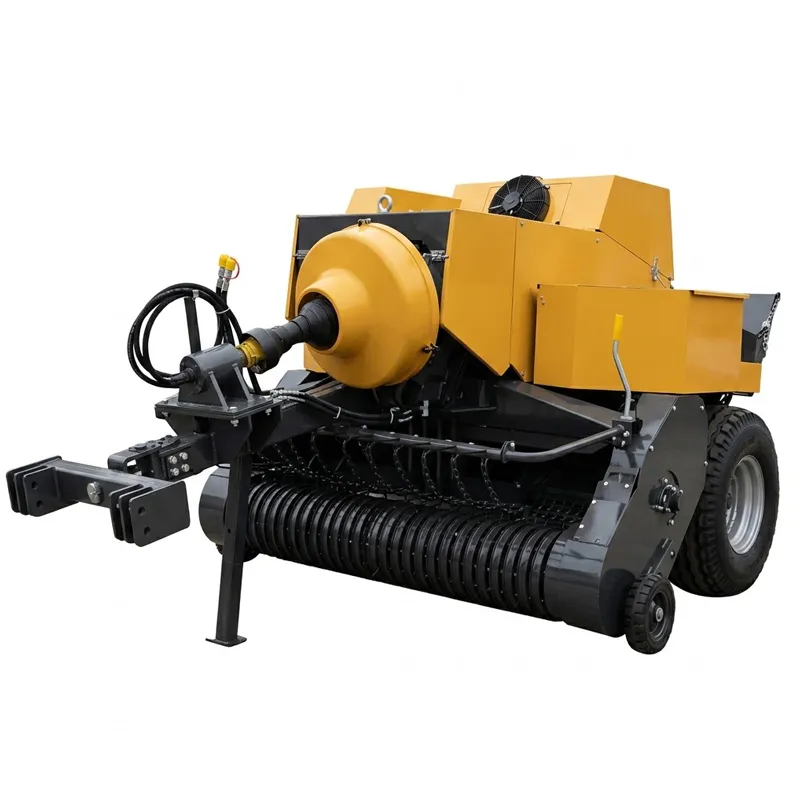
From how they work and what crops they handle, to choosing the right model for your farm — this guide covers the full picture. Explore our complete range of square baler machines built for cereal farms, forage operations, and mixed-crop estates worldwide.
Choose Your Series
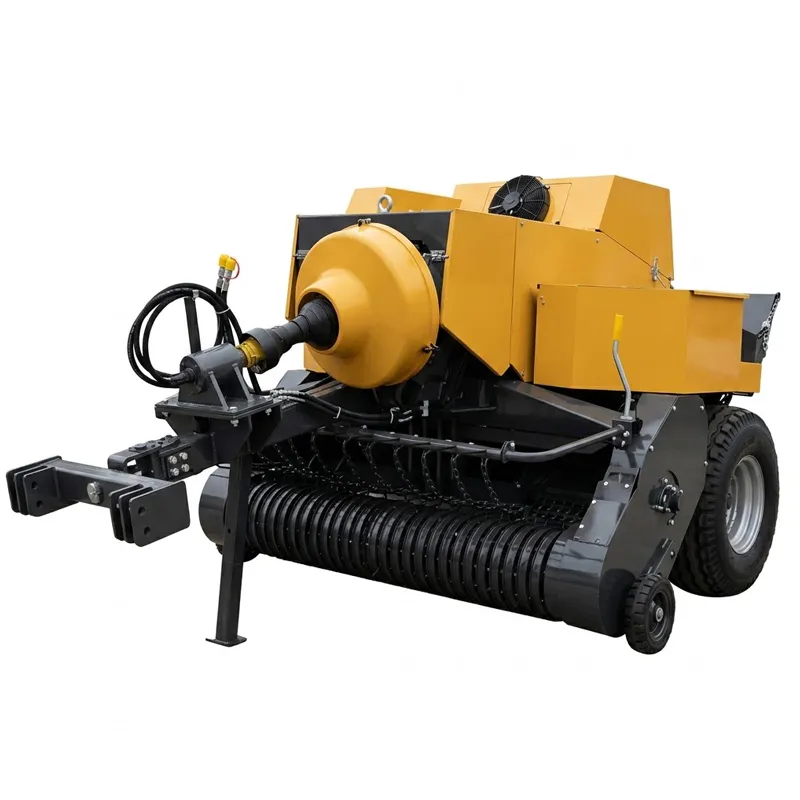
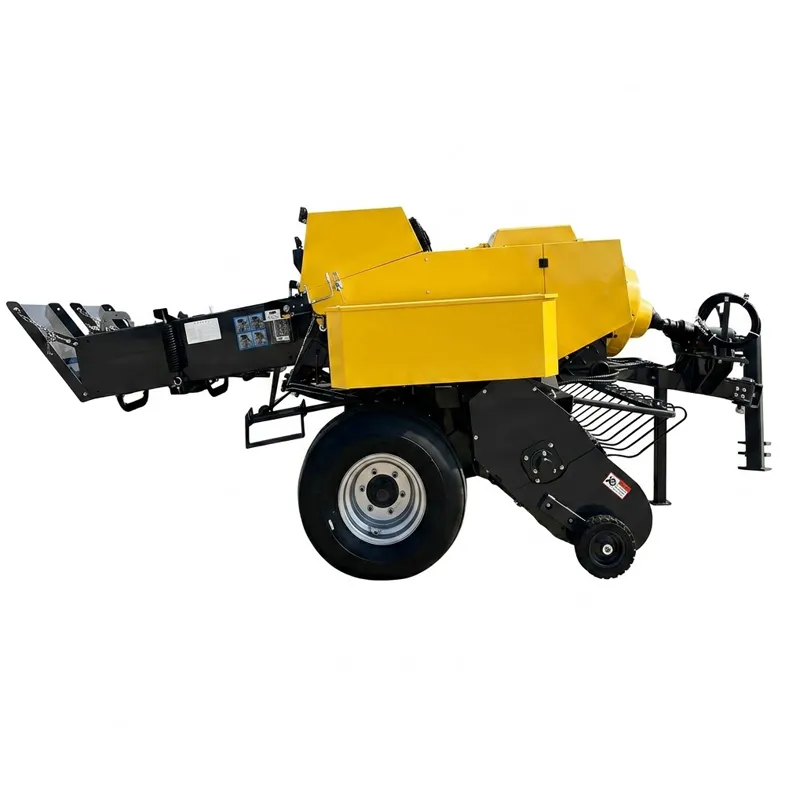
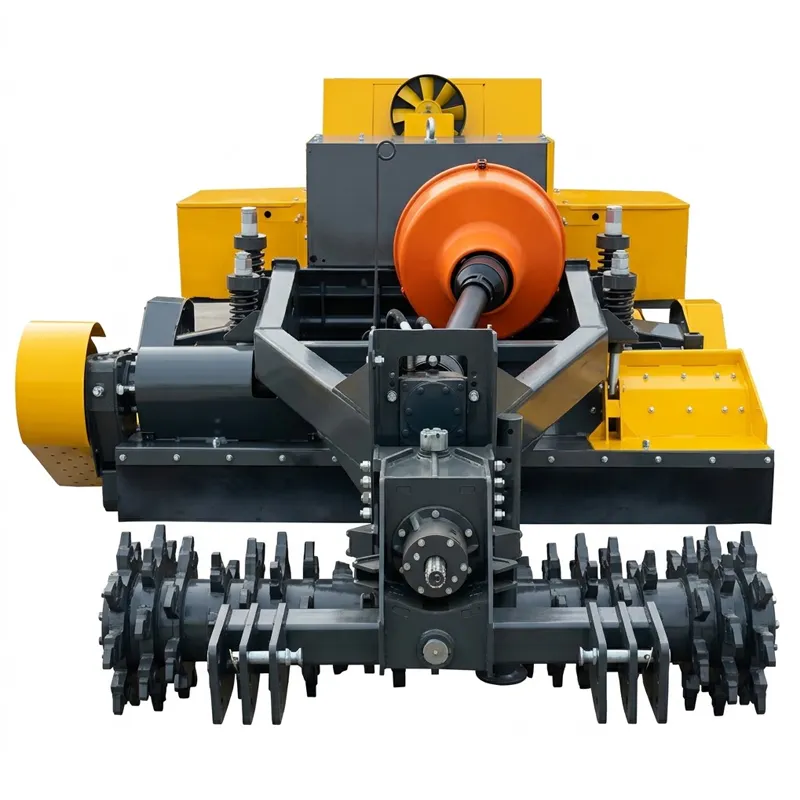
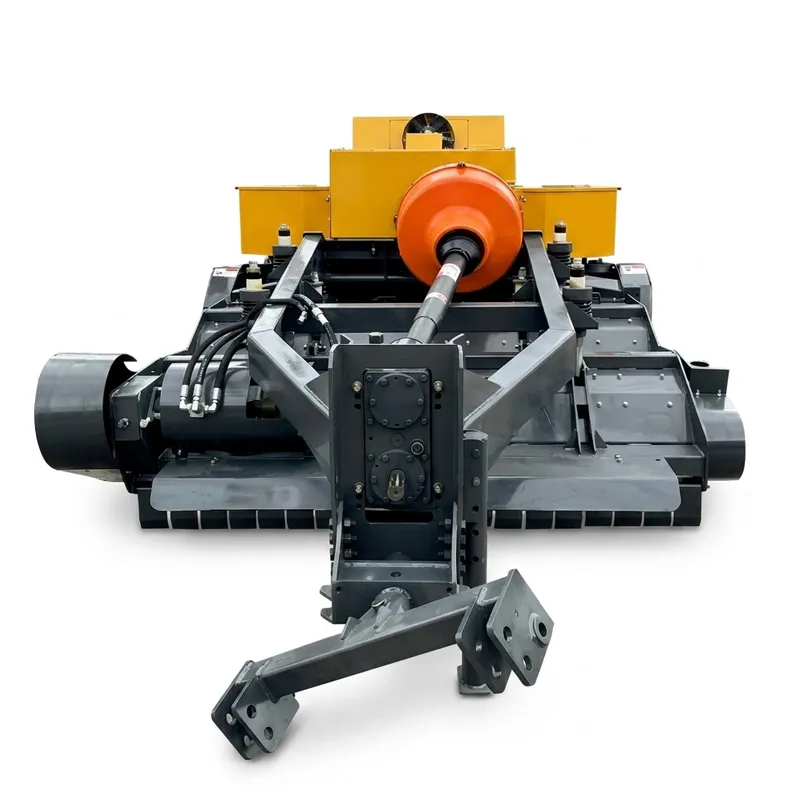
Full Square Baler Product Comparison
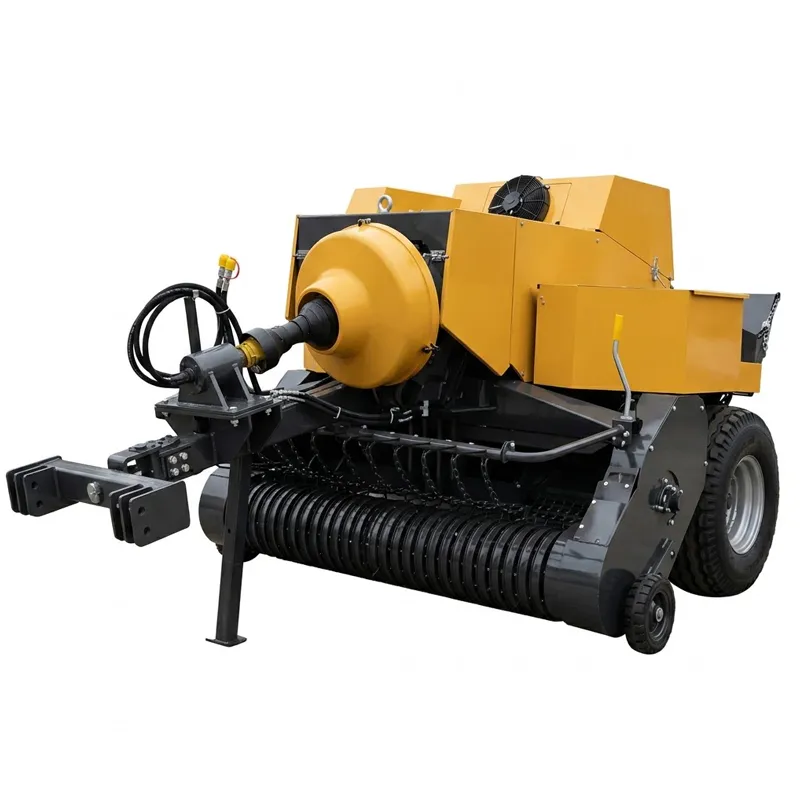
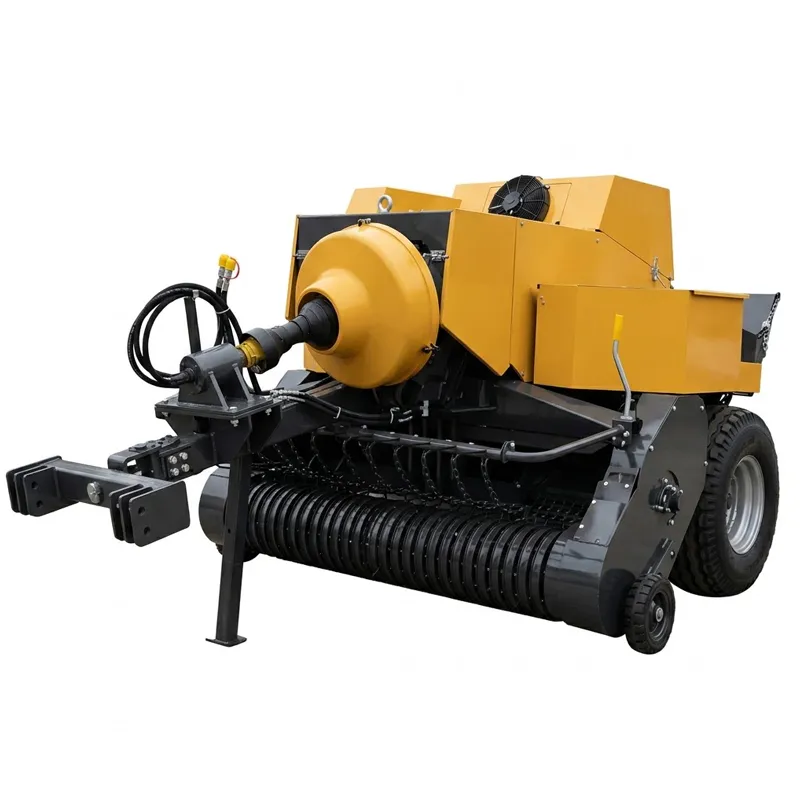
Six models covering 29.5 kW to ≥73.5 kW, 1700–2200 mm pickup width, and spring tooth to hammer-claw shredder configurations.
| Model | Pickup Type | Pickup-Breite | Chamber (W×H) | Power Range | Abmessungen (L×B×H) | Gewicht |
|---|---|---|---|---|---|---|
| Entry Spring Tooth 1700 mm | Spring Tooth | 1700 mm | 460×360 mm | 29.5–73.5 kW | 4965×2500×1750 mm | 1750 kg |
| Mid Spring Tooth 1900 mm | Spring Tooth | 1900 mm | 460×360 mm | 36.8–73.5 kW | 4965×2640×1750 mm | 1850 kg |
| Wide Spring Tooth 2200 mm | Spring Tooth | 2200 mm | 460×360 mm | ≥36.8 kW | 5700×2800×1780 mm | 1950 kg |
| Double-Chamber 2200 mm · 2×2 Knotters | Spring Tooth ×2 | 2200 mm | 460×360 mm ×2 | ≥51.5 kW | 5600×2780×1790 mm | 3115 kg |
| Hammer-Claw Shredder 2200 mm | Hammer-Claw | 2200 mm | 460×360 mm | ≥73.5 kW | 6240×2760×1700 mm | 2350 kg |
| Hammer-Claw + Fan 2200 mm · Dust Removal | Hammer-Claw + Fan | 2200 mm | 460×360 mm | ≥73.5 kW | 6500×2900×3360 mm | 2350 kg |
All models: Towed-type hitching · D-Type knotters · Automatic rope baling · Fork feeding mechanism
Pickup Types Explained
Rotating spring steel tines lift windrow material from flat, stone-free ground. The tines absorb minor surface irregularities and self-clear minor blockages. This is the standard pickup design for cereal straw, rice straw, alfalfa, and grass hay on paddy field and dryland terrain without standing crops or heavy stones.
Wheat straw · Rice straw · Alfalfa · Grass hay · Flat arable terrain · Korean paddy fields · Mongolian grassland
High-velocity rotating hammer-claw elements crush and separate fibres before feeding — enabling pickup of upright, lodged, or flat-laid corn, sorghum, and cotton stalks that would block a spring tooth machine. The shredding action also improves bale density on coarse-stemmed materials and makes the output directly suitable as livestock roughage without further processing.
Standing/lodged corn · Sorghum stover · Cotton stalks · Mixed crop farms · Russian & Central Asian row-crop operations
Adds a negative-pressure dust-removal fan to the hammer-claw shredder configuration. The fan draws sand, fine grit, and lightweight impurities out of the crop stream before compression — producing cleaner, lower-impurity bales with improved palatability for livestock feed and better suitability for biogas digester feedstock. Dual shredding mechanism for more thorough crushing of hard stalks.
Premium livestock feed · Biogas feedstock · Sandy soil conditions · Corn & sorghum on contaminated ground
How to Choose the Right Square Baler
Q1. What crop are you baling?
Fine-stemmed crops (wheat straw, rice straw, alfalfa, grass) → Spring Tooth Series A
Coarse standing or lodged stalks (corn, sorghum, cotton) → Hammer-Claw Series C
Mixed farm with both crop types → Series C (handles both without reconfiguration)
Q2. What is your tractor’s PTO power?
29.5–36 kW (40–49 hp): Entry Spring Tooth 1700 mm only
36.8–51 kW (50–69 hp): Spring Tooth 1900 mm or 2200 mm
51.5–73 kW (70–99 hp): Any spring tooth model or Double-Chamber
≥73.5 kW (≥100 hp): Full range including Hammer-Claw Series C
Q3. How large is your operation?
Under 50 ha/year: Entry 1700 mm spring tooth — lower capital, manageable throughput
50–150 ha/year: Mid 1900 mm or Wide 2200 mm spring tooth
150+ ha/year or contract work: Double-Chamber (2× output per pass) or Wide-Cut 2200 mm
Mixed crop · High value output: Hammer-Claw + Fan for premium feed or biogas bales
Q4 What is the bale’s end use?
Livestock bedding or field return: Any model — bale cleanliness is not critical
Traded hay or export: Spring Tooth — consistent density and clean bale surface
Direct livestock feed: Hammer-Claw for shredded roughage, or Fan version for lowest impurity
Biogas / biomass feedstock: Hammer-Claw + Fan for highest digester loading efficiency
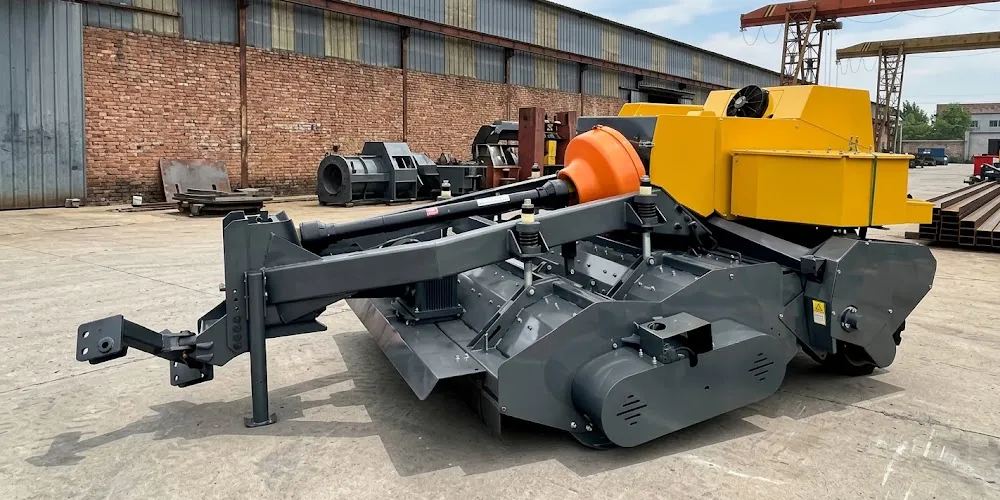
Ready to Specify the Right Square Baler for Your Farm?
Tell us your tractor model, primary crop, and annual baling volume — our application team will confirm the correct model, power match, and available compliance documentation for your market in one response.
Model + continuous PTO kW output
Primary material + moisture condition
Approximate hectares or tonnes/year
Country — for compliance documentation
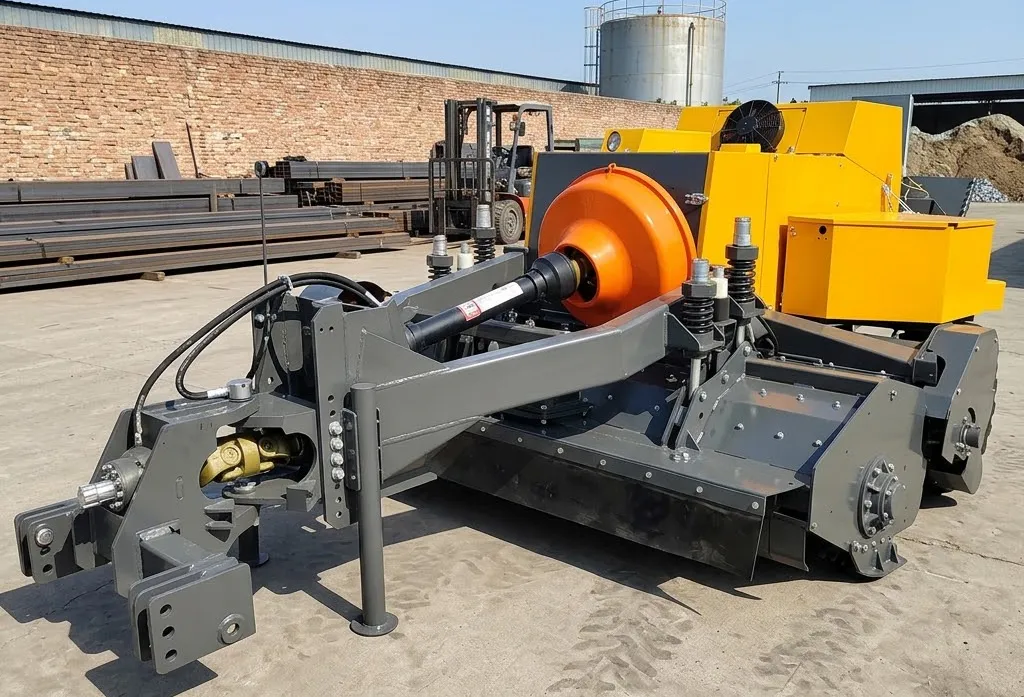
- Wheat, barley & rice straw
- Corn stover & sorghum stalks
- Cotton stalk residues
- Alfalfa, clover & grass hay
- Fresh & dry herbage
- Mixed forage grasses
Standard small square bale cross-section: 460×360 mm. Bale length is operator-adjustable via the density mechanism, typically 0.8–1.4 m per bale. Weight ranges from 15 kg (light dry straw) to 35+ kg (dense alfalfa) depending on material and density setting.
Square Baler vs. Round Baler — When to Choose Which
- Bales will be sold into traded hay or straw markets requiring consistent dimensions
- Storage space is constrained — square bales stack in tighter columns than round bales
- Bales need to fit standard shipping container dimensions for export (common in Korean, Japanese, and Middle East hay trade)
- In-barn automated feeding systems require rectangular bale geometry
- Individual bale weight must be manageable for manual handling (15–30 kg per bale)
- Biomass or biogas plants specify rectangular feedstock for their loading systems
- Silage production is the primary use — round bales wrap more efficiently for fermentation
- Self-feeding large livestock groups from outdoor bale rings is the main feed-out method
- Bales will be stored outdoors without covers — the curved surface sheds rain better
- Lower initial capital cost is the primary purchase driver
- Operation does not require container export or in-barn mechanical handling