Agricultural Machinery · Forage Management
圆捆打捆机
Everything you need to understand, select, and operate a round baler — from basic principles to full technical specifications across power classes and bale sizes.
Round Baler Types
-
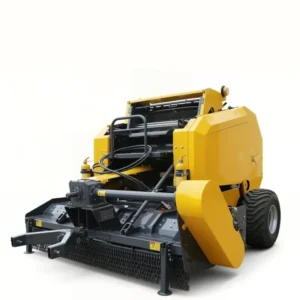
EP-9YG-1.0C 圆捆打捆机
-
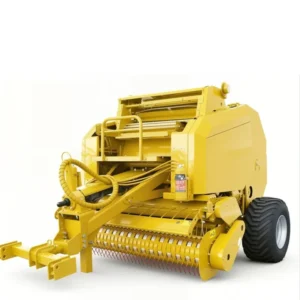
EP-9YG-1.0 圆捆打捆机
-
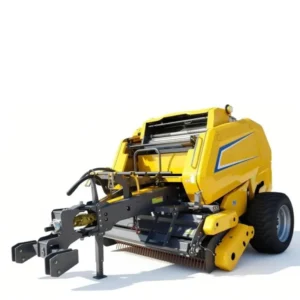
EP-9YG-1.25A 圆捆打捆机
-
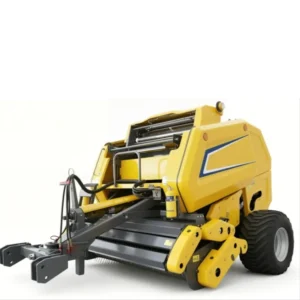
EP-9YG-1.25 圆捆打捆机
-
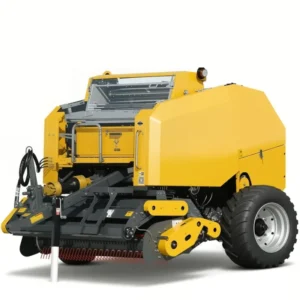
EP-9YG-2.24D 圆捆打捆机
-
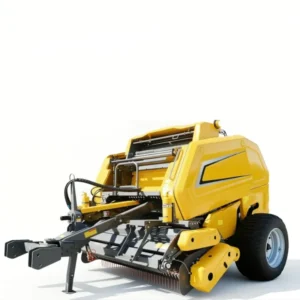
EP-9YG-2.24D-圆捆打捆机-S9000
-
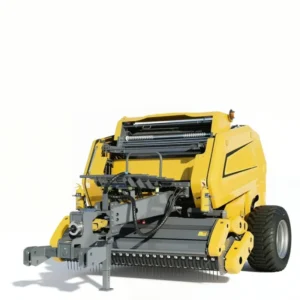
EP-9YG-2.24D-圆捆打捆机-S9000经典款
-
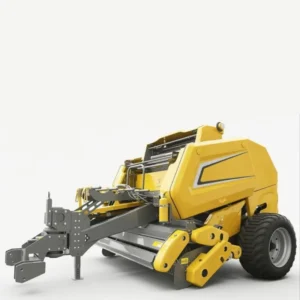
EP-9YG-2.24D-圆捆打捆机-S9000 Super
-
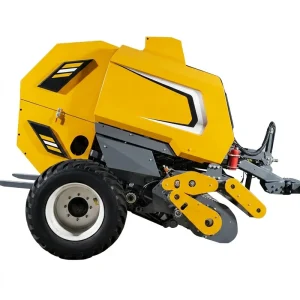
EP-4100×2900×2400 Spring Tooth Type Round Baler
-
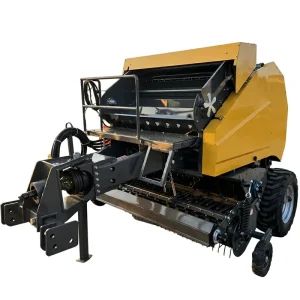
EP 3200 × 2500 × 2010LWH Spring Tooth Round Baler
-
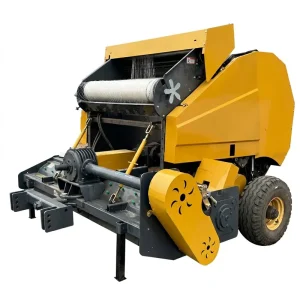
EP-2950×2750×2050 Spring Tooth Type Round Baler
-
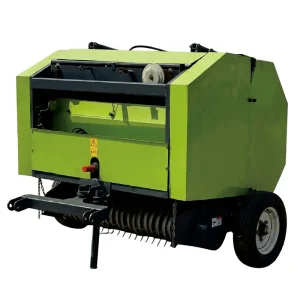
EP-2050x2250x1580LWH Spring Tooth Type 1250mmPicking Width Round Baler
-
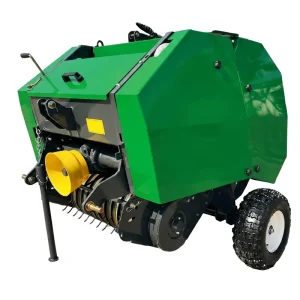
EP-Φ630×700 Spring Tooth Type Round Baler — 800 mm Picking Width
The Product Range at a Glance
Compact Class — 25 to 50 HP
Designed for small-plot farming, orchard and vineyard floor management, hobby livestock, and operations where a full-size baler cannot access the field. Spring tooth direct feed, rope wrapping, 800 mm pickup width. Machine weight: 440 kg. Bale size: Φ630×700 mm. Suited to operators running compact utility tractors at 540 rpm PTO. Operating speed 2–5 km/h; bale weight approximately 60–100 kg in dry grass. Storage in a standard shed bay; transport on a standard flatbed trailer.
Mid Class — 48 to 95 HP
The widest-coverage class in the series. Covers small-to-medium commercial farms, mixed livestock operations, and custom contractors serving multiple small farms per season. Spring tooth pickup, tine roller + drum feed system, roll drum chamber with 16 rollers, net wrapping with sensor density control. Bale size Φ1000–1100 mm × 1000 mm. Designed for axial-flow semi-forced feeding — a proprietary no-cam, no-guard pickup mechanism that reduces power draw while increasing material throughput and significantly cutting blockage rate compared to conventional designs. Operating speed 5–20 km/h.
Upper-Mid Class — 75 to 120 HP
Purpose-built for medium-to-large commercial operations and custom contractors running diverse crop types across a single season. Spring tooth or interchangeable hammer-claw pickup. Multi-mode feeder (auger + tine roller + drum or shift fork + screw continuous). 18-roller drum chamber; bale size Φ1200–1300 mm × 1250 mm. Auto net wrap with sensor density control; bale density range 100–200 kg/m³. Operating speed 5–35 km/h. The interchangeable pickup option lets this class handle both conventional windrowed hay and standing corn stover in the same machine — eliminating the raking step for crop residue collection and reducing per-acre operating cost significantly.
Large Commercial Class — 55 to 100 kW
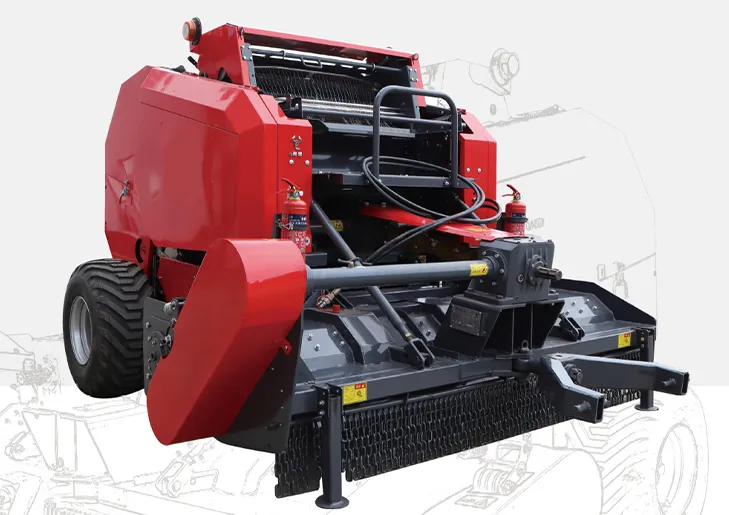
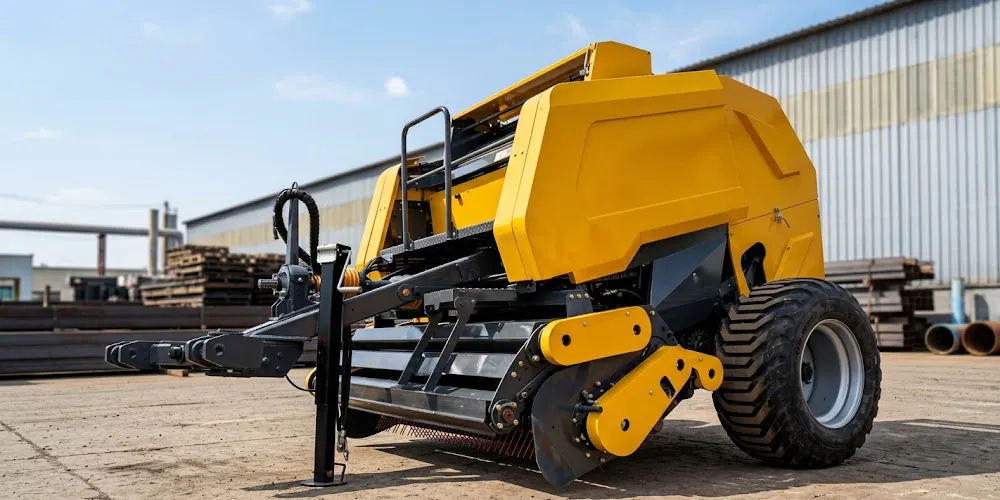
High-throughput machines for large acreage commercial operations, professional contractors, and grassland management across the wide, open terrain of Mongolia, Russia, and Inner Asia. 2240 mm spring tooth pickup; tine roller + drum or axial-flow semi-forced feeder; 18 Φ222 mm rollers; compressing room 1400 mm wide; bale size Φ1300×1400 mm. Auto net wrap (2000×1.4 m/bale); bale density 100–200 kg/m³; production rate 40–100 bales/h. Working speed 5–35 km/h. The dual gearbox hitch system — rotating 90° left and right from the tractor hitch connection — is a key differentiator in this class: it keeps the PTO shaft aligned and protected through sharp headland turns and across terrain with significant lateral slope, protecting drivetrain components from the torsional stress that causes shaft and coupling failure in conventional single-gearbox designs.
What Is a Round Baler?
A 圆捆打捆机 is a trailed agricultural machine that collects cut, windrowed crop material from the ground, compresses it under consistent rotational force inside a bale chamber, and binds the resulting cylindrical bale with net wrap or rope before ejecting it to the field. Unlike square balers, which produce rectangular blocks, a round baler produces a dense, self-shedding cylinder that resists weathering during outdoor storage — a critical advantage across the long winters of Mongolia, Russia, and Northeast Asia.
The round bale format has become the dominant choice for commercial hay, straw, and silage operations globally because it balances throughput, bale density, and handling practicality across a wide range of farm sizes. A single round bale in the large commercial class can weigh 500–1,000 kg; a compact bale from a small-farm machine may be as light as 100–200 kg — both formats produced by the same fundamental mechanical process, scaled for different tractor power and operational scale.
The machine is powered by the tractor’s PTO (Power Take-Off) shaft, which drives the internal mechanisms — pickup, feeder, drum rollers, and wrapping systems — through a gearbox that distributes and controls torque across all working components simultaneously. Modern round balers include sensor-controlled bale density monitoring, automatic net wrapping, and electronic display panels that give the operator full situational awareness from the tractor cab throughout every baling cycle.
Hay, straw, silage grass, alfalfa, corn stover, soybean residue, rice straw, sorghum, and mixed forage
From ~100 kg (compact class) to over 1,000 kg (commercial class), depending on crop density and bale diameter
From 25 HP compact tractors to 180+ HP commercial rigs — wide range covered across the product series
Mongolia, Russia, Kazakhstan, Belarus, South Korea, Southeast Asia, and expanding global dealer network
Ready to Select the Right Round Baler?
Our export team supports buyers across Korea, Mongolia, Russia, Belarus, Kazakhstan, and beyond — from initial specification matching through to spare parts logistics and seasonal after-sales support. Contact us with your tractor power, annual bale target, and primary crop type to receive a matched model recommendation.
Tell us your tractor HP / kW and PTO speed
Share your annual bale volume target and primary crop type
Describe your field conditions and bale handling setup
Receive a matched model recommendation with full specification
Full series available for export · ISO 9001 certified · Spare parts support in market
Spring tooth pickup and hammer-claw pickup are designed for field-level interchange on the upper-mid class models. The hammer-claw configuration with 18 claw elements handles standing corn stover directly — no raking step required, saving one field operation and reducing cost per tonne of residue collected.
H-type cartridge fittings across the hydraulic system increase rated working pressure compared to standard push-fit hydraulic connections, enabling faster gate open/close cycles and more reliable operation under high-cycle-rate baling conditions. Buffer cylinders on the rear gate absorb closure shock loads that would otherwise transmit frame stress in high-density bale applications.
Engineering Highlight
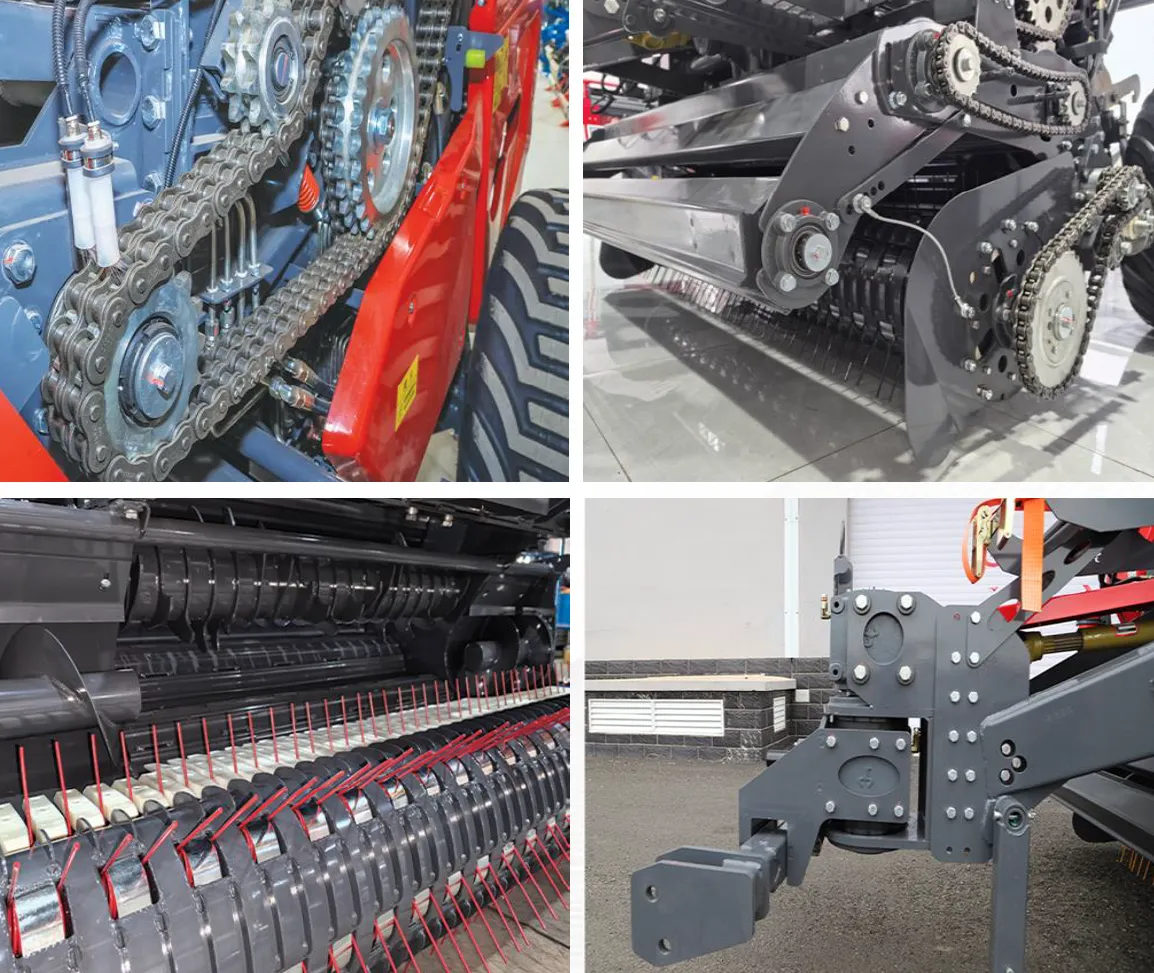
A no-cam, no-guard pickup design developed in-house and protected by exclusive intellectual property rights. Compared to conventional cam-track systems, it reduces power draw while increasing material throughput and cutting blockage frequency by approximately half — reducing stoppages during peak output windows when downtime is most costly.
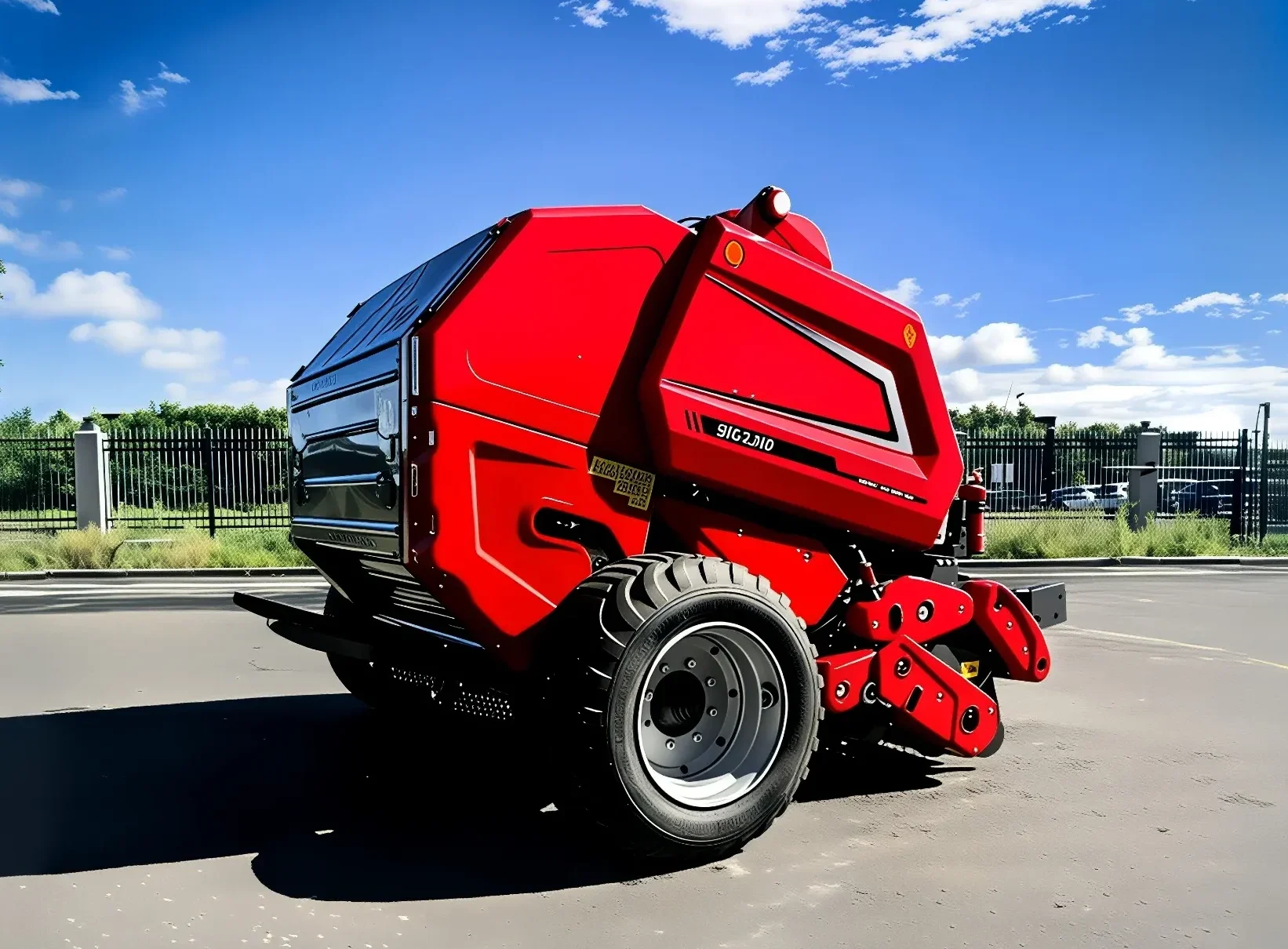
Left/right 90° rotation from the tractor hitch connection, combined with a 30° lateral tilt tolerance, solves the binding and shaft-damage problems common in conventional towed round balers during small-field headland turns and on sloping terrain. No PTO disconnect required through turns; tractor and baler remain aligned throughout the headland cycle.
Rear chamber drive uses bilateral heavy-gauge chain (20A on large class, 16A on mid class) rather than single-side drive. This increases compression force and distributes load evenly across both sides of the chamber, producing consistently higher bale density — rated at 100–200 kg/m³ across all classes, with practical output in the 250–500 kg range per bale in standard dry forage conditions.
How to Choose the Right Round Baler
Five questions that determine which size class and configuration fits your operation
Choosing a round baler by headline bale size or tractor power alone leads to mismatched machines that either underperform or add unnecessary operating cost. The right selection starts with five specific questions about the operation itself.
Match the baler's rated power range to your tractor's sustained PTO output — not its peak or nominal engine figure. A 75 HP tractor may only deliver 55–60 HP at sustained PTO load. Operating a baler rated at the edge of your tractor's capacity causes overheating, premature clutch wear, and frequent stoppages in dense crop. Leave a minimum 15% power headroom between continuous PTO output and the baler's rated upper limit.
Compact-class machines producing 40–80 bales per hour suit operations of up to 500–800 bales per season. Above that volume, the cost-per-bale economics favor mid or large-class machines with higher throughput. For custom contractors running 3,000+ bales per season across multiple farms, the large commercial class with 40–100 bales/h output is the appropriate starting point — downtime during peak harvest is too costly to risk on a machine at its throughput ceiling.
A spring tooth pickup handles dry straw, hay, and alfalfa without stem damage. A hammer-claw pickup handles standing corn stover and bulky residue without requiring the crop to be raked first. If your operation mixes both crop types in the same season — common across Korea's rice-paddy regions and Russia's mixed grain belts — select a model with an interchangeable pickup to avoid running two separate machines. Feeder type also matters: heavy mixed-crop conditions benefit from the shift fork + screw continuous system to prevent blockages.
Compact bales (Φ630 mm) can be moved by two people or a small front-loader. Mid-class bales (Φ1100 mm) need a front-loader or telehandler. Large commercial bales (Φ1300 mm, 500–1000 kg) require rated bale-handling attachments or a dedicated bale transporter. If bales will be stored outdoors, net wrap is essential — rope wrapping does not seal the bale surface against sustained rain exposure. If bales are consumed within days (hobby livestock), rope wrapping is adequate and reduces consumable cost.
Flat, large open paddocks suit any class. Small irregular plots and orchard rows require compact machines under 1400 mm total body width. Hilly or sloping terrain with significant lateral gradient puts the tow hitch under torsional stress — for these conditions, select a large-class model with the dual gearbox hitch system rated for up to 30° lateral tractor tilt without shaft binding. Remote operations in Mongolia, Russia, or Central Asia also require machines with simpler feeder mechanisms and minimal electronic dependency to allow field-side repairs.
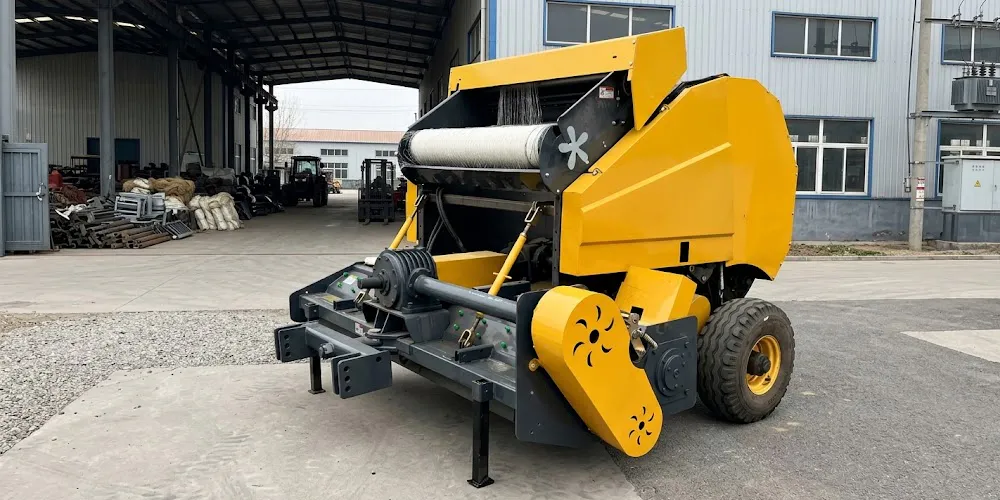
Round Baler Applications by Operation Type
Matching machine class to farming context across global export markets
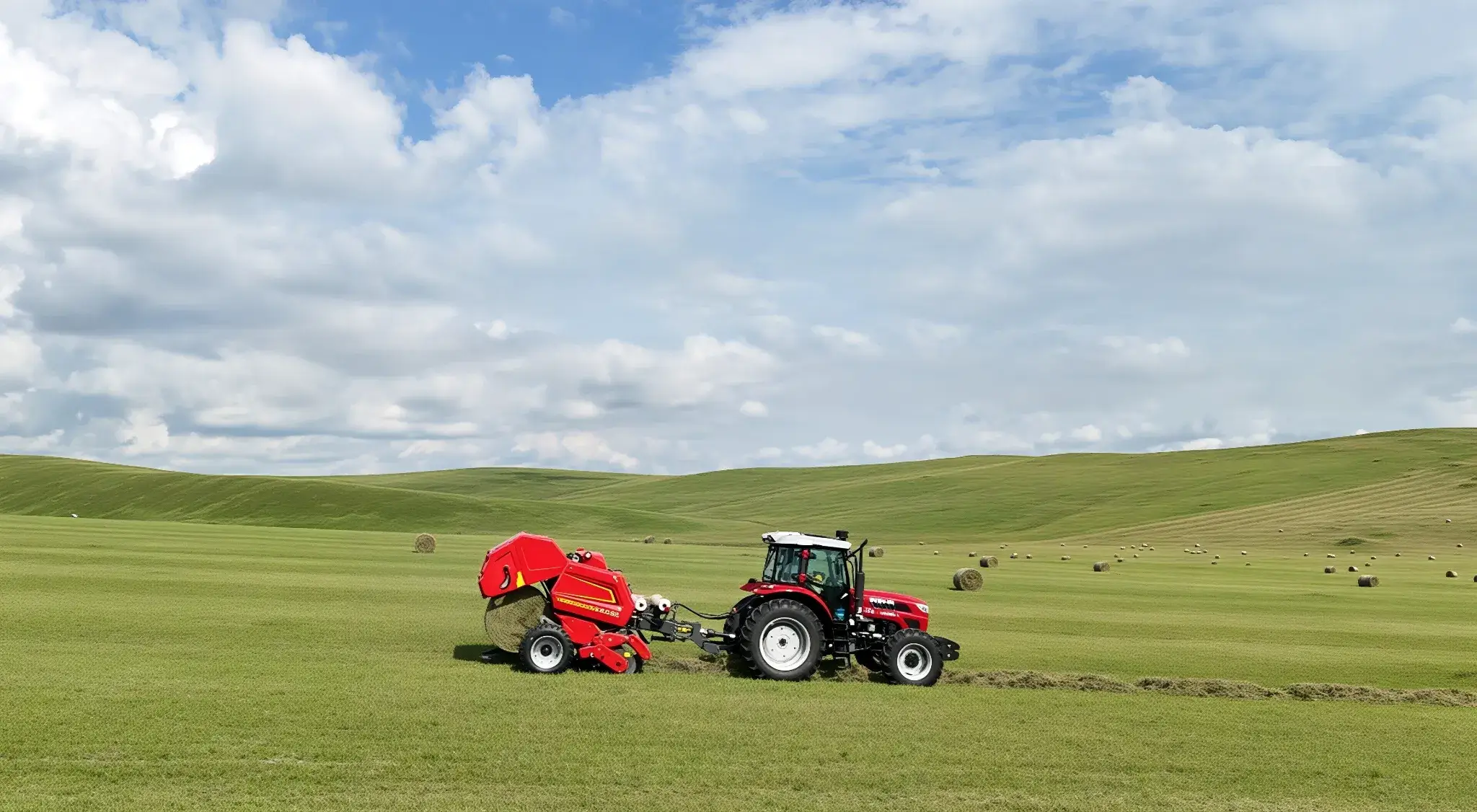
Large open paddocks with high annual output suit the large commercial class with 2240 mm pickup, 40–100 bales/h throughput, and dual gearbox hitch for slope-heavy terrain. Net wrapping is essential for outdoor stacking through sub-zero winters.
Rice straw in autumn, hay or corn stover in summer — the interchangeable pickup upper-mid class serves this mixed-crop profile without requiring separate machines. Screw continuous or shift fork feeder handles both crop types without setting changes between seasons.
High throughput, broad tractor compatibility, and low per-bale operating cost define contractor needs. Upper-mid and large commercial class machines at 40–100 bales/h deliver the seasonal volume contractors require. Lightweight transport (large class at under 4,600 kg) enables fast inter-farm moves.
Compact class at 800 mm pickup and under 1400 mm total body width is the only format that fits between tree rows. At 440 kg machine weight, it moves between sites on a standard trailer without specialist equipment. Rope wrapping keeps consumable cost proportionate to small-scale output.
Post-harvest corn stover, sorghum stalks, and wheat straw for biomass energy supply chains benefit from the hammer-claw pickup option on the upper-mid class, which collects standing material without a separate raking pass — reducing field passes, fuel use, and time per hectare.
Goats, sheep, and small cattle herds need compact bales movable by hand or small loader. Compact class Φ630×700 mm bales at 60–100 kg dry weight match feeding quantities for small ruminant groups — avoiding the waste of opening a 500 kg commercial bale for a five-head flock.